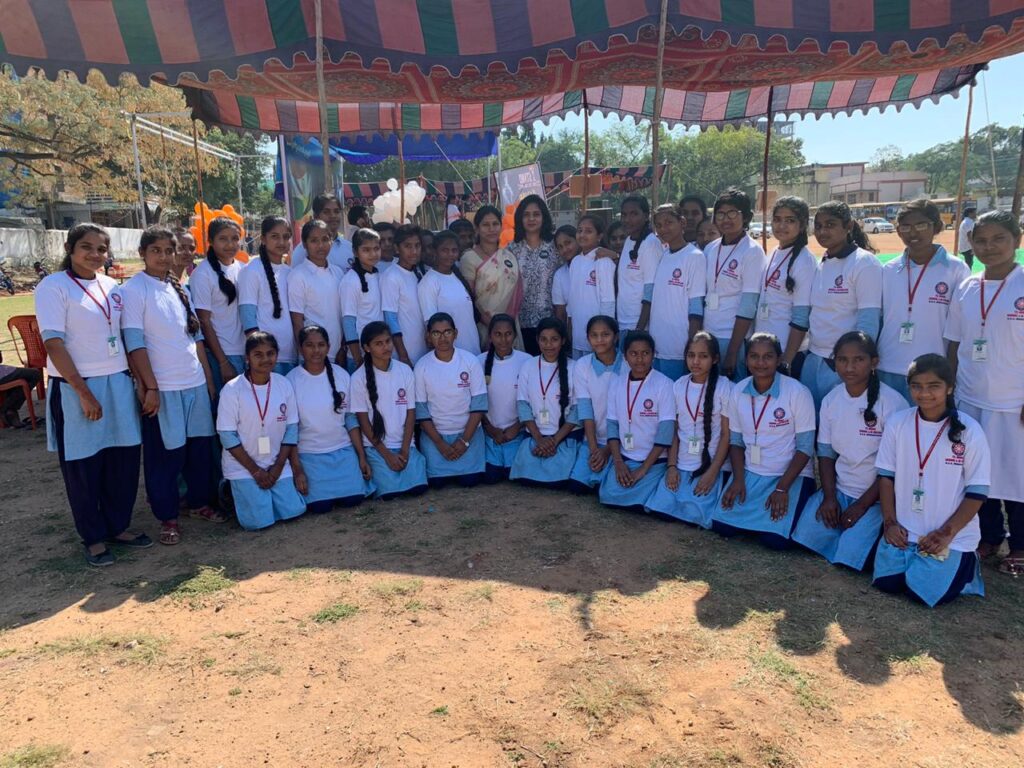
Empowering Women and Children in Tribal Areas of Tripura
Inclusive development requires special attention to communities that historically face social and geographic disadvantages. In the northeastern state of Tripura, tribal communities form a significant part of the population and live largely in hilly and forested regions. Women and children in these communities often experience limited access to education, healthcare, sanitation, and economic opportunities. Focused efforts to improve these areas can greatly enhance the overall well-being and long-term development of tribal societies.
Tribal Population in Tripura
According to the Census of India 2011, Scheduled Tribes (STs) constitute about 31.8% of Tripura’s population, representing roughly 11.7 lakh people.
(Source: Census of India 2011; Ministry of Tribal Affairs)
Tripura has 19 recognized tribal communities, with the largest groups including Tripuri, Reang (Bru), Jamatia, Chakma, Halam, and Mog. Many tribal communities reside in districts such as Dhalai, Gomati, North Tripura, and Khowai, often in remote hill areas with limited infrastructure and connectivity.
To support tribal self-governance and development, a large portion of the state falls under the Tripura Tribal Areas Autonomous District Council (TTAADC), which administers nearly two-thirds of the state’s geographical area.
(Source: Tripura Tribal Areas Autonomous District Council)
Education and Literacy
Education is a key driver of empowerment for both women and children. Tripura has made considerable progress in literacy compared to many other states in the region.
According to the Census of India 2011, the overall literacy rate in Tripura is 87.22%, one of the highest in India. Female literacy stands at 83.15%, reflecting significant improvements in access to education for girls.
(Source: Census of India 2011; Directorate of Economics & Statistics, Tripura)
However, literacy rates among tribal communities remain lower than the state average. Distance from schools, language barriers, economic challenges, and early responsibilities at home can limit educational access for tribal girls.
Government initiatives such as:
- Residential tribal schools
- Ashram schools
- Scholarships for Scheduled Tribe students
- Hostel facilities for tribal girls
have helped improve school enrollment and retention in tribal areas. Community awareness programs also encourage parents to prioritize education for their daughters.
Health and Nutrition of Women and Children
Health and nutrition remain important areas of focus in tribal regions of Tripura. Many villages are located in remote areas where access to healthcare facilities may be limited.
Data from the National Family Health Survey (NFHS-5, 2019–21) indicates that around 32.3% of children under five years in Tripura are stunted, reflecting chronic nutritional challenges.
(Source: NFHS-5, Ministry of Health and Family Welfare)
In addition, about 54% of women aged 15–49 years in Tripura are reported to be anaemic, highlighting the need for improved nutrition and maternal healthcare.
(Source: NFHS-5, 2019–21)
Government programs addressing these issues include:
- Integrated Child Development Services (ICDS)
- POSHAN Abhiyaan
- Janani Suraksha Yojana
- Anganwadi nutrition and health services
These programs provide nutritional supplements, immunization support, maternal health services, and early childhood care to improve health outcomes for women and children.
Menstrual Hygiene and Sanitation
Menstrual hygiene management remains an important but often under-discussed issue in many rural and tribal communities.
Adolescent girls in tribal areas may face several challenges:
- Limited availability of sanitary products
- Cultural taboos and stigma related to menstruation
- Lack of private sanitation facilities in schools
- Absence of safe systems for disposal of menstrual waste
According to NFHS-5 data, approximately 75% of young women aged 15–24 in Tripura use hygienic methods of menstrual protection, indicating progress but also leaving room for improvement.
(Source: NFHS-5, Ministry of Health and Family Welfare)
Improving menstrual hygiene requires a combination of awareness programs, access to affordable sanitary products, adequate sanitation infrastructure, and safe disposal systems. Such initiatives not only improve health but also reduce school absenteeism among adolescent girls.
Challenges Faced by Tribal Women
Despite progress in several development indicators, tribal women in Tripura continue to face certain challenges:
- Limited access to higher education and skill development
- Lower participation in formal employment
- Healthcare access challenges in remote areas
- Nutritional deficiencies and maternal health risks
- Limited financial inclusion and economic opportunities
Addressing these challenges requires coordinated efforts that focus on women’s empowerment, education, and livelihood development.
Community-Centric Development
Sustainable progress in tribal areas depends on a community-driven development approach. Programs that integrate education, healthcare, sanitation, and livelihood opportunities can significantly improve the quality of life in tribal communities.
Key areas of intervention include:
- Strengthening girl child education
- Improving maternal and child healthcare services
- Promoting menstrual hygiene awareness
- Supporting women’s self-help groups and entrepreneurship
- Enhancing sanitation and environmental health
Such initiatives help build stronger and healthier communities while ensuring that development reaches the most vulnerable sections of society.
Building an Inclusive Future
The development of women and children in tribal regions is essential for creating sustainable and equitable growth. Empowered women contribute to healthier families, improved educational outcomes for children, and stronger local economies.
With sustained support from government programs, civil society organizations, and community leaders, Tripura can continue to strengthen its progress toward inclusive development.
Organizations working in areas such as women’s health, sanitation, education, and community empowerment play an important role in complementing government efforts and ensuring that the benefits of development reach every village and every household.
Sources
- Census of India 2011 – Population and Literacy Statistics
- Ministry of Tribal Affairs, Government of India – Tribal Demographic Data
- Directorate of Economics & Statistics, Government of Tripura
- National Family Health Survey (NFHS-5), 2019–21 – Ministry of Health & Family Welfare
- Tripura Tribal Areas Autonomous District Council (TTAADC) official data