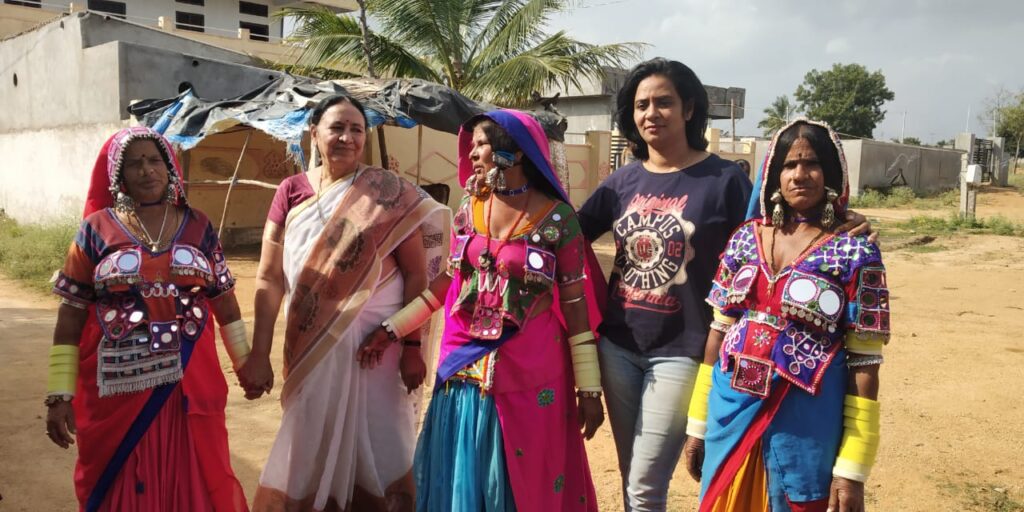
Women’s Cancers in India: The Importance of Early Detection and Community Screening
Cancer has emerged as one of the major health concerns affecting women in India. While medical science has advanced significantly in treatment and survival outcomes, the most critical factor that determines survival is early detection. Unfortunately, many women—particularly in rural and underserved communities—often lack access to regular screening, awareness, and timely diagnosis.
Recognizing this challenge, Fuelling Growth Foundation, in collaboration with STAR Hospitals, Hyderabad, has begun organizing free cancer screening camps for rural women, focusing on early detection, awareness, and preventive healthcare.
The Burden of Cancer Among Women in India
According to the Indian Council of Medical Research – National Cancer Registry Programme (ICMR-NCRP), India records more than 14 lakh new cancer cases every year, and nearly 50% of these cases occur in women.
(Source: ICMR-National Cancer Registry Programme, 2023)
Among women, certain cancers are particularly common:
- Breast Cancer
Breast cancer is the most common cancer among women in India.
Data from the Global Cancer Observatory (GLOBOCAN 2020) indicates that India recorded over 178,000 new breast cancer cases in a single year.
Early detection through clinical breast examination and mammography can dramatically improve survival rates.
- Cervical Cancer
Cervical cancer remains one of the leading cancers among Indian women, especially in rural areas.
According to GLOBOCAN 2020, India reported about 123,000 new cervical cancer cases annually, accounting for nearly one-fifth of the global cervical cancer burden.
Regular Pap smear screening and HPV vaccination can prevent most cervical cancer cases when detected early.
- Ovarian Cancer
Ovarian cancer is less common but often detected at later stages because early symptoms are subtle. India records over 45,000 new ovarian cancer cases each year.
(Source: ICMR-NCRP)
- Uterine and Endometrial Cancer
Uterine cancers are increasingly being diagnosed in urban and semi-urban populations due to lifestyle changes, hormonal factors, and increasing life expectancy.
- Oral and Other Cancers
In some regions of India, cancers related to tobacco consumption—including oral cancers—also affect women, particularly in communities where chewing tobacco is prevalent.
Cancer Trends in Telangana
Telangana, like many Indian states, is witnessing a steady increase in cancer cases due to factors such as lifestyle changes, longer life expectancy, environmental exposures, and improved detection systems.
Data from the National Cancer Registry Programme suggests that breast cancer and cervical cancer remain the two most commonly diagnosed cancers among women in Telangana, followed by ovarian cancer.
Experts emphasize that screening and awareness are the most effective tools to reduce mortality. When cancer is detected in its early stages, treatment becomes significantly more effective and less invasive.
The Critical Importance of Early Detection
One of the major reasons cancer mortality remains high in many parts of India is late diagnosis. Many women seek medical help only when symptoms become severe, by which time the disease may already be in an advanced stage.
Early detection offers several important benefits:
- Higher survival rates
- Less aggressive treatment required
- Lower medical costs
- Better quality of life for patients
Regular screening programs and awareness campaigns are therefore essential to encourage women to seek preventive health check-ups.
Fuelling Growth Foundation’s Initiative for Rural Women
Understanding the urgent need for early detection and awareness, Fuelling Growth Foundation has initiated a series of free cancer screening camps for women in rural communities.
These camps are organized in partnership with STAR Hospitals, Hyderabad, one of the region’s leading healthcare institutions. The initiative focuses on providing accessible screening services, awareness sessions, and medical guidance for women who may otherwise have limited access to such facilities.
The screening camps typically include:
- Breast cancer screening
- Cervical cancer screening
- Basic health examinations
- Medical counselling and awareness sessions
By bringing medical expertise directly to rural communities, the program aims to ensure that women receive timely medical evaluation and guidance, which can lead to early detection and life-saving treatment.
Leadership and Vision Behind the Initiative
A key driving force behind this initiative is Ms. Bobby Ahmeera, a Founding Member of Fuelling Growth Foundation, who has been actively involved in promoting women’s health and community welfare programs.
Ms. Ahmeera has been instrumental in conceptualizing and mobilizing these screening camps with a clear objective: to ensure that women from underserved communities receive the same opportunity for preventive healthcare as those in urban areas.
Her work emphasizes that awareness and access are the two pillars of effective cancer prevention. Through sustained outreach, community engagement, and collaboration with healthcare institutions, she is helping bring critical health services closer to the women who need them the most.
Creating Awareness for a Healthier Future
Cancer awareness and early detection programs play a crucial role in reducing mortality and improving outcomes. When women are informed about symptoms, risk factors, and the importance of regular screening, they are more likely to seek medical care at the right time.
Community initiatives like the screening camps organized by Fuelling Growth Foundation demonstrate how partnerships between civil society organizations and healthcare institutions can create meaningful impact.
By combining medical expertise, community outreach, and preventive healthcare awareness, such programs help build a future where women—regardless of geography or economic status—have access to life-saving early detection services.
Sources
- Indian Council of Medical Research (ICMR) – National Cancer Registry Programme
- GLOBOCAN 2020, International Agency for Research on Cancer (IARC)
- National Cancer Registry Programme Report, Ministry of Health and Family Welfare, Government of India
- World Health Organization (WHO) – Cervical Cancer and Breast Cancer Global Data
- Telangana State Cancer Registry Data, National Cancer Registry Programme