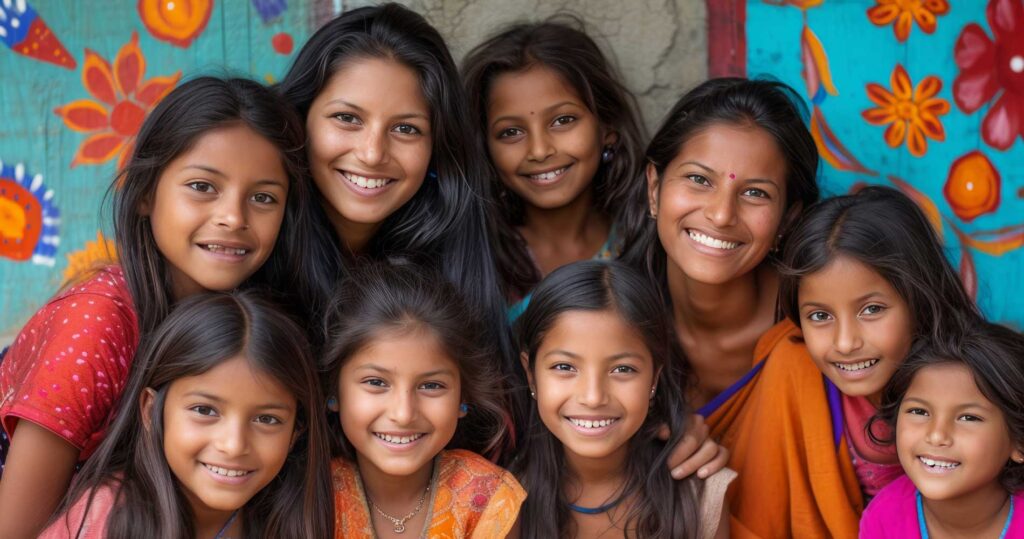
Empowering Women and Children in Tribal Areas of Telangana
Inclusive development must reach communities that historically remain on the margins of economic and social progress. In Telangana, tribal communities represent an important segment of the population, and the well-being of women and children within these communities is critical for long-term social transformation. Improving access to education, healthcare, nutrition, sanitation, and livelihood opportunities can significantly enhance the quality of life in tribal regions.
Tribal Population in Telangana
According to the Census of India 2011, Scheduled Tribes (STs) in Telangana number approximately 31.78 lakh people, representing about 9% of the state’s total population.
Major tribal groups include the Lambadi (Banjara), Koya, Gond, Kolam, and Chenchu, many of whom live in forested or remote districts such as Adilabad, Bhadradri Kothagudem, Mulugu, and Mahabubabad. These areas often face limitations in infrastructure, transport, healthcare access, and educational facilities, which disproportionately affect women and children.
The development of these communities therefore requires targeted policies and sustained engagement from government agencies, civil society organizations, and grassroots initiatives.
Education and Literacy
Education plays a central role in empowering women and improving outcomes for children. However, literacy levels in tribal communities remain lower than the state average.
The overall literacy rate in Telangana is about 66.54%, with male literacy at 75.04% and female literacy at 57.99%, indicating a notable gender gap.
Among tribal populations, literacy levels are significantly lower. Studies based on Census data show that the Scheduled Tribe literacy rate in Telangana is about 49.5%, compared to 66.4% for the general population.
This gap becomes more pronounced for tribal women and girls due to several factors:
- Distance from schools in remote areas
- Economic pressures on families
- Early responsibilities at home
- Limited access to higher education institutions
Government initiatives such as Tribal Welfare Residential Schools, Ashram schools, and girls’ hostels have helped improve enrollment and retention rates. These institutions play an important role in providing safe learning environments and improving educational access for tribal girls.
Health and Nutrition of Women and Children
Health and nutrition are key determinants of social development. However, tribal populations often face challenges related to malnutrition, anemia, and limited healthcare access.
Studies on tribal health in Telangana indicate that nutritional deficiencies and malnutrition remain significant concerns in tribal communities.
The National Family Health Survey (NFHS-5, 2019–21) provides detailed data on maternal and child health indicators across the state. The survey covered over 27,000 households and more than 27,000 women aged 15–49 years in Telangana, highlighting trends in nutrition, maternal health, and child development.
In several districts with large tribal populations, child stunting rates have been reported between 38% and nearly 50%, indicating chronic nutritional challenges that require sustained intervention.
Government programs such as:
- Integrated Child Development Services (ICDS)
- POSHAN Abhiyaan
- Anganwadi nutrition programs
play an essential role in addressing maternal and child nutrition through supplementary nutrition, immunization support, and early childhood development services.
Menstrual Hygiene and Sanitation
One of the most overlooked aspects of women’s health in tribal regions is menstrual hygiene management. Cultural stigma, lack of awareness, and limited availability of sanitary products often result in unsafe menstrual practices.
In many tribal villages, girls face difficulties such as:
- Lack of access to sanitary products
- Absence of private sanitation facilities in schools
- Inadequate systems for safe disposal of menstrual waste
These challenges frequently contribute to school absenteeism among adolescent girls and can also lead to health risks if hygiene practices are poor.
Awareness programs on menstrual health, combined with safe and dignified disposal systems for sanitary waste, are essential to improving both health and educational outcomes. Community engagement, school-based awareness programs, and affordable disposal technologies can play an important role in addressing this gap.
Challenges Faced by Tribal Women
Despite gradual progress, tribal women still face multiple socio-economic barriers, including:
- Limited employment opportunities
- Lower access to financial services
- Poor healthcare access in remote areas
- Gender inequality and early marriage in some communities
These challenges often create intergenerational cycles of poverty and reduced opportunities for children.
Empowering women through education, health awareness, self-help groups, and skill development programs can significantly improve household welfare and community resilience.
The Role of Community and Social Organizations
Sustainable change in tribal areas requires a community-centric approach that combines infrastructure development with social awareness and capacity building.
Organizations working in the areas of women’s health, sanitation, nutrition, and education can complement government initiatives by bringing innovation, local engagement, and practical solutions to grassroots communities.
Programs focusing on menstrual hygiene awareness, sanitation access, maternal health, and girl child education are particularly impactful because improvements in these areas create long-term benefits for families and communities.
Building a More Inclusive Future
The development of women and children in tribal regions is not only a social responsibility but also a strategic investment in the future of the state. Empowered women lead to healthier families, better educational outcomes for children, and stronger communities.
With continued efforts from governments, civil society organizations, and community leaders, Telangana can move closer to a future where every tribal woman and child has access to education, health, dignity, and opportunity.
At Fuelling Growth Foundation, we believe that sustainable development begins with empowering communities and ensuring that no woman or child is left behind.
Sources
- Census of India 2011 – Scheduled Tribe Population Data.
- Telangana State Profile – Literacy Statistics.
- Literacy Rate Data for Telangana.
- Educational Status of Tribal Women in Telangana.
- National Family Health Survey (NFHS-5), 2019–21.
- Study on Health and Nutrition among Tribal Communities.
- Health Indicators and Child Stunting Data in Telangana.
- Research on Tribal Communities in Telangana.